Unannounced Project
ABOUT THE PROJECT
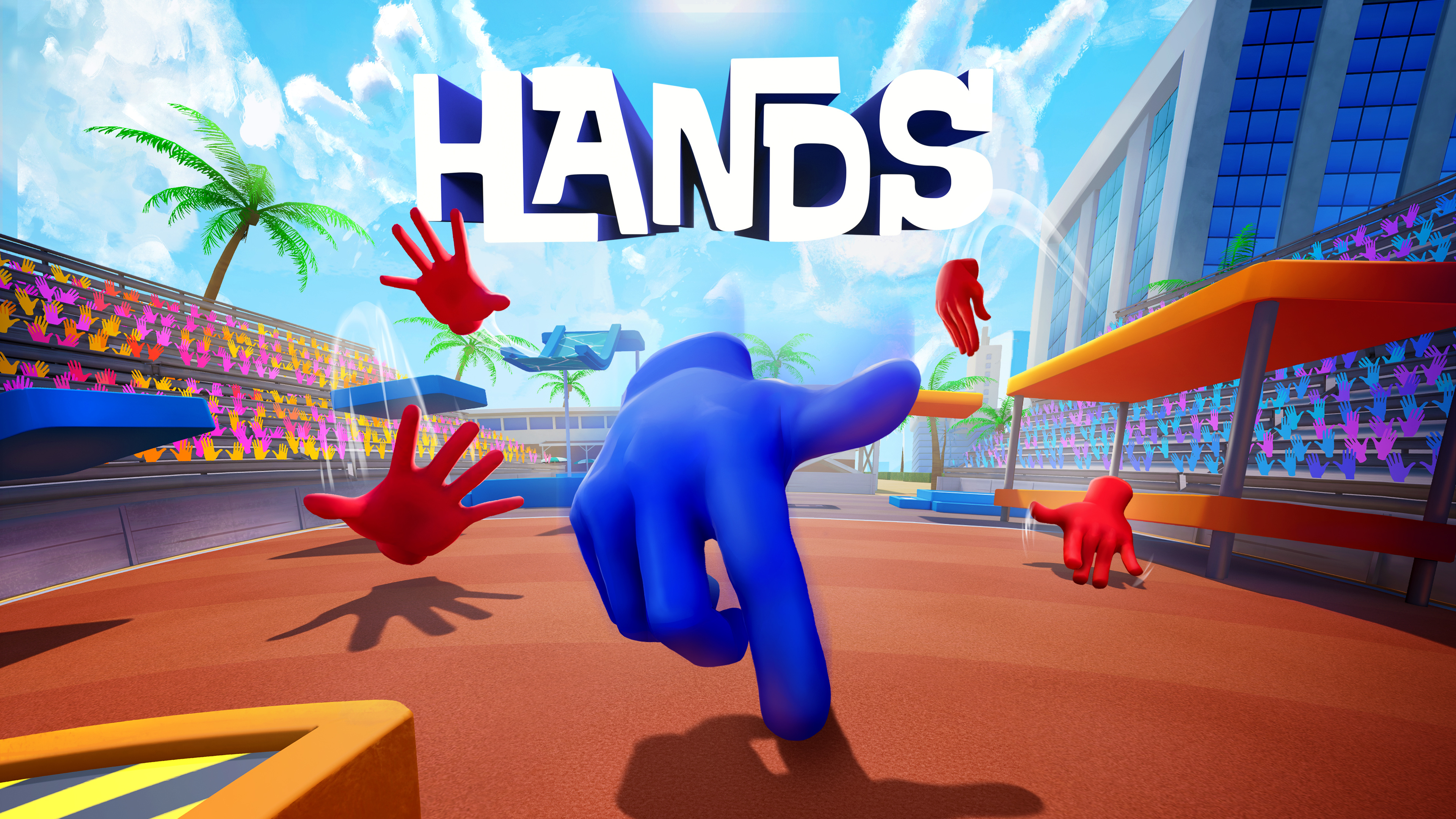
I led the end-to-end design and art direction for a high-energy, hands-free VR party game. I managed a multidisciplinary team of 10+ to translate a complex physics-based concept into a scalable, F2P ecosystem. My role bridged the gap between spatial interaction and establishing the core UX for hand-tracking and product strategy, where I defined the product roadmap, UI/UX, monetisation models, creative direction, and onboarding flows. By prioritising a "build-to-learn" philosophy and making high stakes decisions on UI architecture and technical feasibility, I ensured the project met aggressive production timelines while maintaining a focus on immersion, presence, and retention.
-
Service
Creative Direction, Product Design, UI UX
-
Client
nDreams
-
Dates
Jun 2025 - Dec 2025
Product Strategy and Vision
North Star: Mapped the product roadmap from MVP to scale, including core engagement loops, monetisation, and key growth milestones.
Genre Innovation: Conducted deep analysis of the physics-based party game landscape to identify market gaps, ensuring a unique value proposition in a saturated VR market.
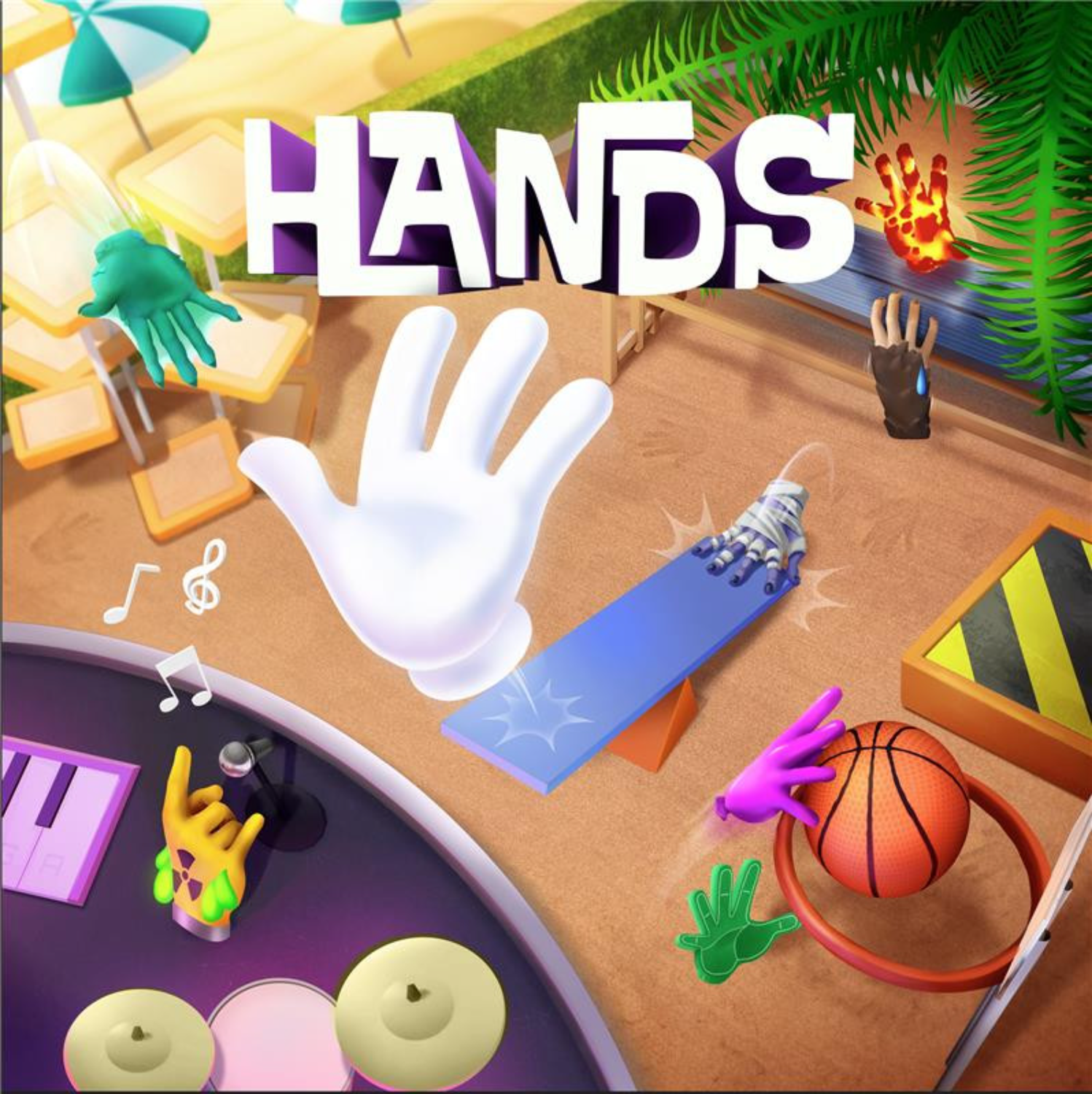
Art Direction: Authored the comprehensive visual style guide and aesthetic pillars, ensuring this high-fidelity environment remained highly performant on Quest.
Movement Fluidity
Navigating the environment was the primary friction point for users. To solve this, I developed a suite of intuitive gestures and motion patterns designed to allow for free-hand movement with zero mechanical resistance.
Natural Kinematics: Implementing motion tracking that mirrors real-world physics to reduce cognitive load.
Frictionless Gestures: Utilising subtle, low-effort hand signals to initiate travel without requiring constant physical strain.
Precision Targeting: Refining the "snap" and "glide" mechanics to ensure the user feels in total control of their positioning at all times.

Camera Control
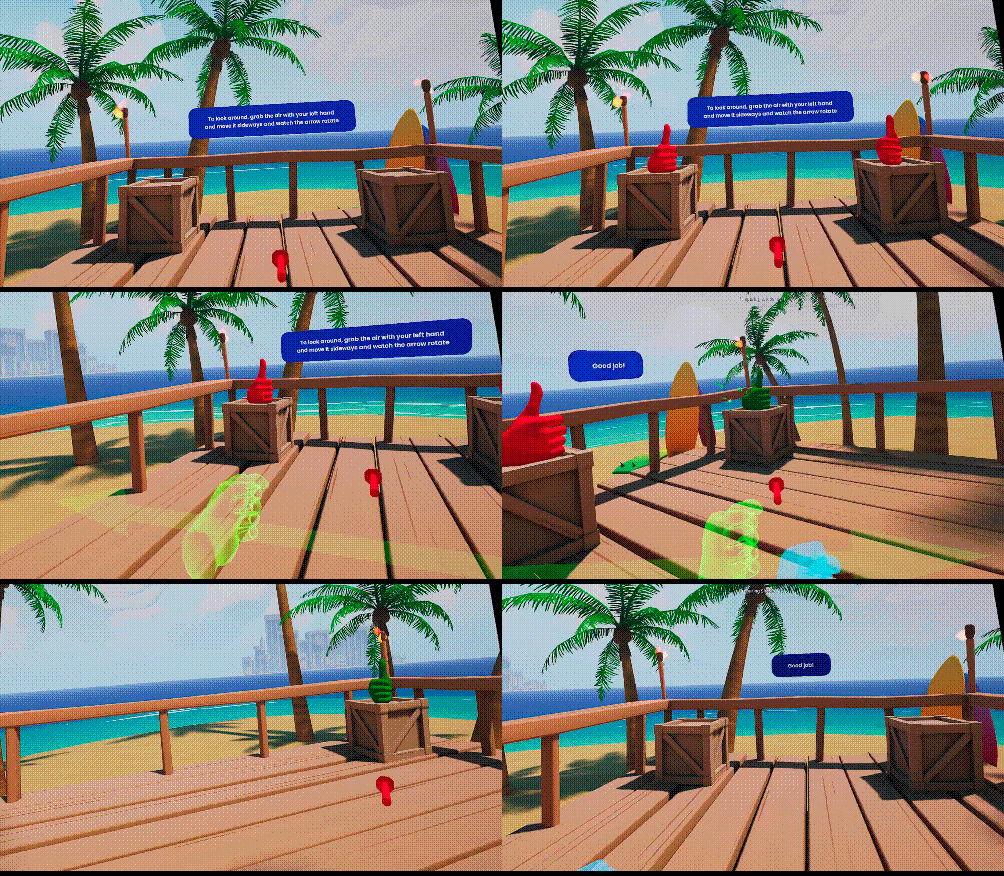
I implemented a gesture-based camera system for precise environmental navigation. To rotate the view, users simply make a fist with their non-dominant hand and pan left or right.
This method provides a physical anchor for rotation, making the movement feel deliberate rather than accidental. Testing showed that using a fist-clench distinctively separates camera control from standard finger-based interactions. The result is a smooth, intuitive rotation mechanic that worked consistently well.
Gestural UX: Menu Navigation
I tested three methods for menu activation: palm-touching, wrist-touching, and index-to-thumb pinching.
The pinch gesture was the clear winner with the highest success rate. While palm and wrist anchors suffered from frequent hand obstructions and tracking failures, pinching remained reliable and intuitive.
To ensure stability, I designed the interaction to trigger only with the left hand. This prevented potential conflicts with the system’s native OS gestures.

UX Assessment
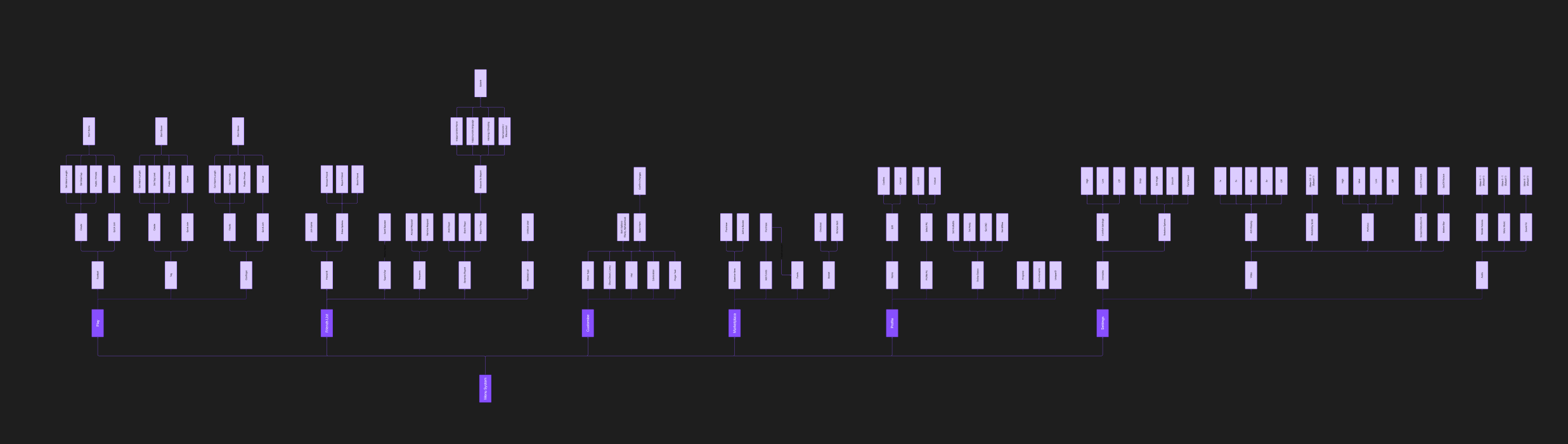
After validating core interactions, I collaborated with all disciplines to define the MVP requirements. Our priority was delivering high-quality, essential user navigation.
We streamlined the initial UX wireframes into a lightweight MVP, intentionally cutting features better suited for future live ops implementation.
We prioritised high-impact navigation for the MVP, deferring secondary features to live ops to maintain production velocity.
With functional wireframes established, we mapped the user journey to identify friction points. This foundation served as the baseline for our next phase: an A/B test comparing the performance of 3D versus 2D menu systems.
We A/B tested 3D concepts against 2D counterparts to balance a vibrant Miami Beach aesthetic with production speed. By analysing asset creation time, we delivered a high-quality, immersive look without compromising our rapid MVP timeline.
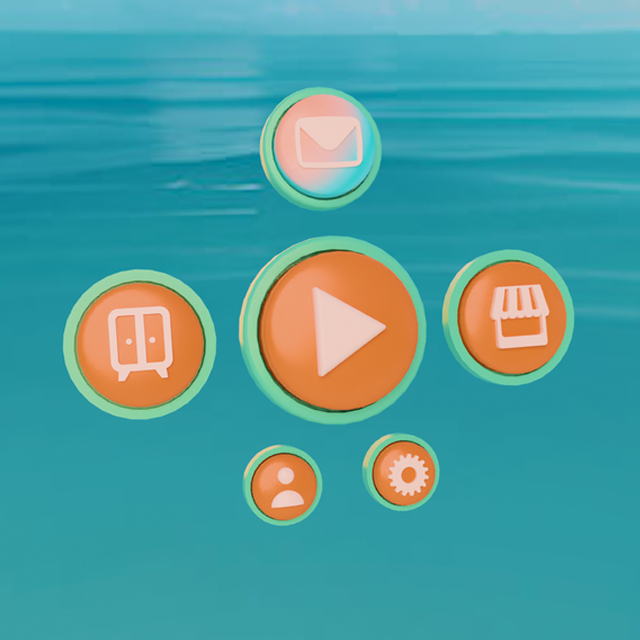
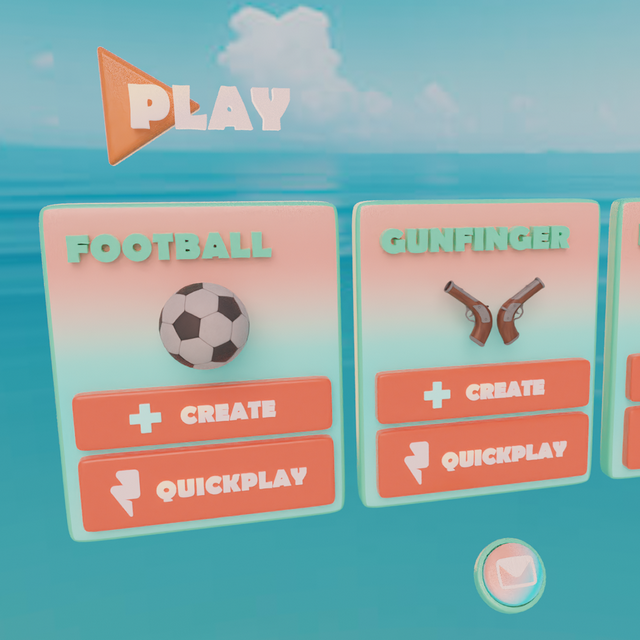
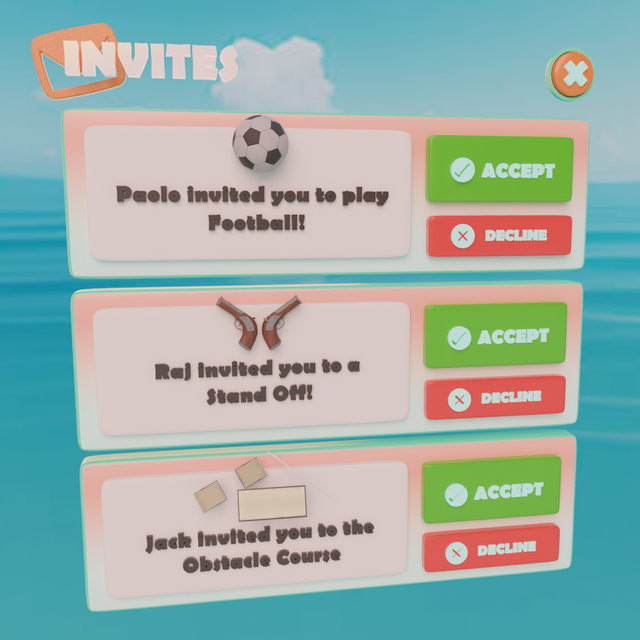
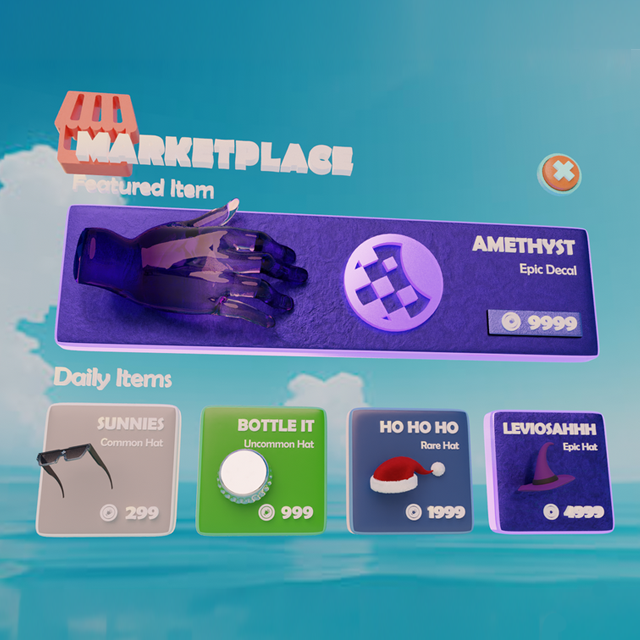
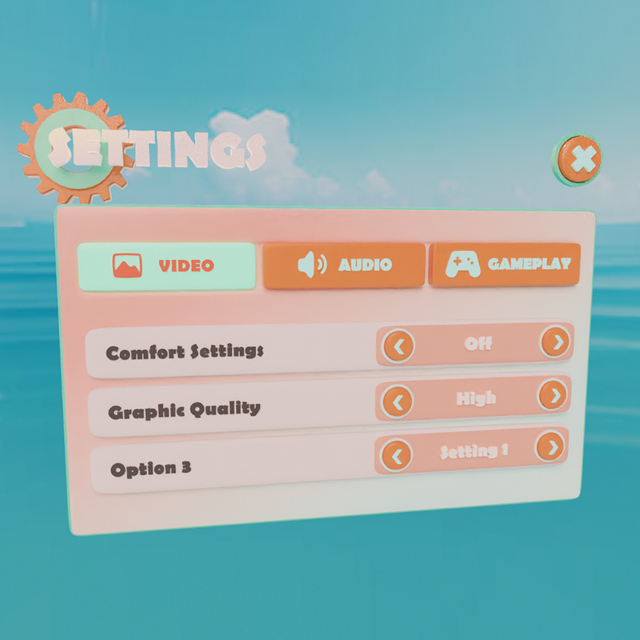
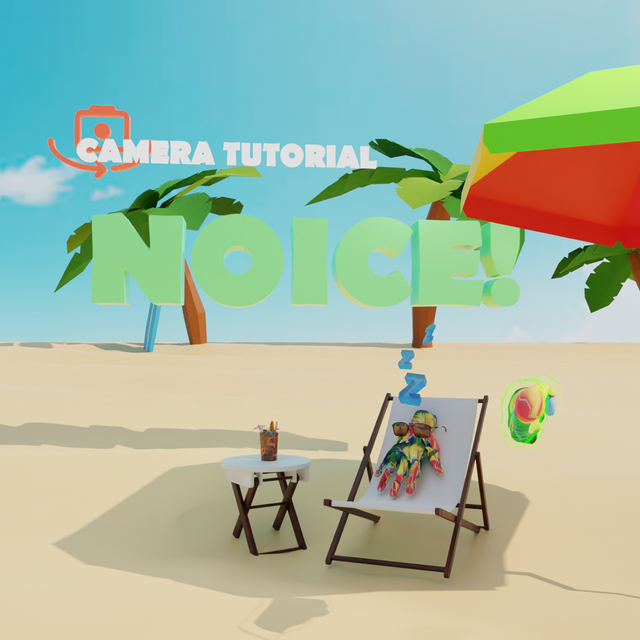
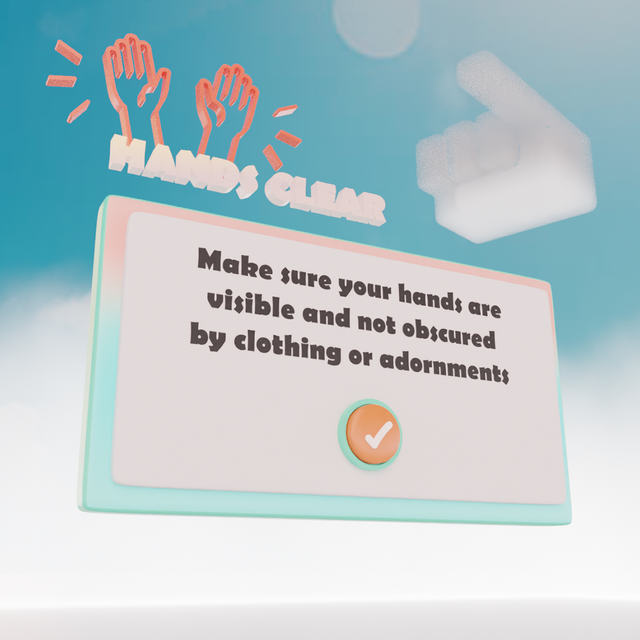
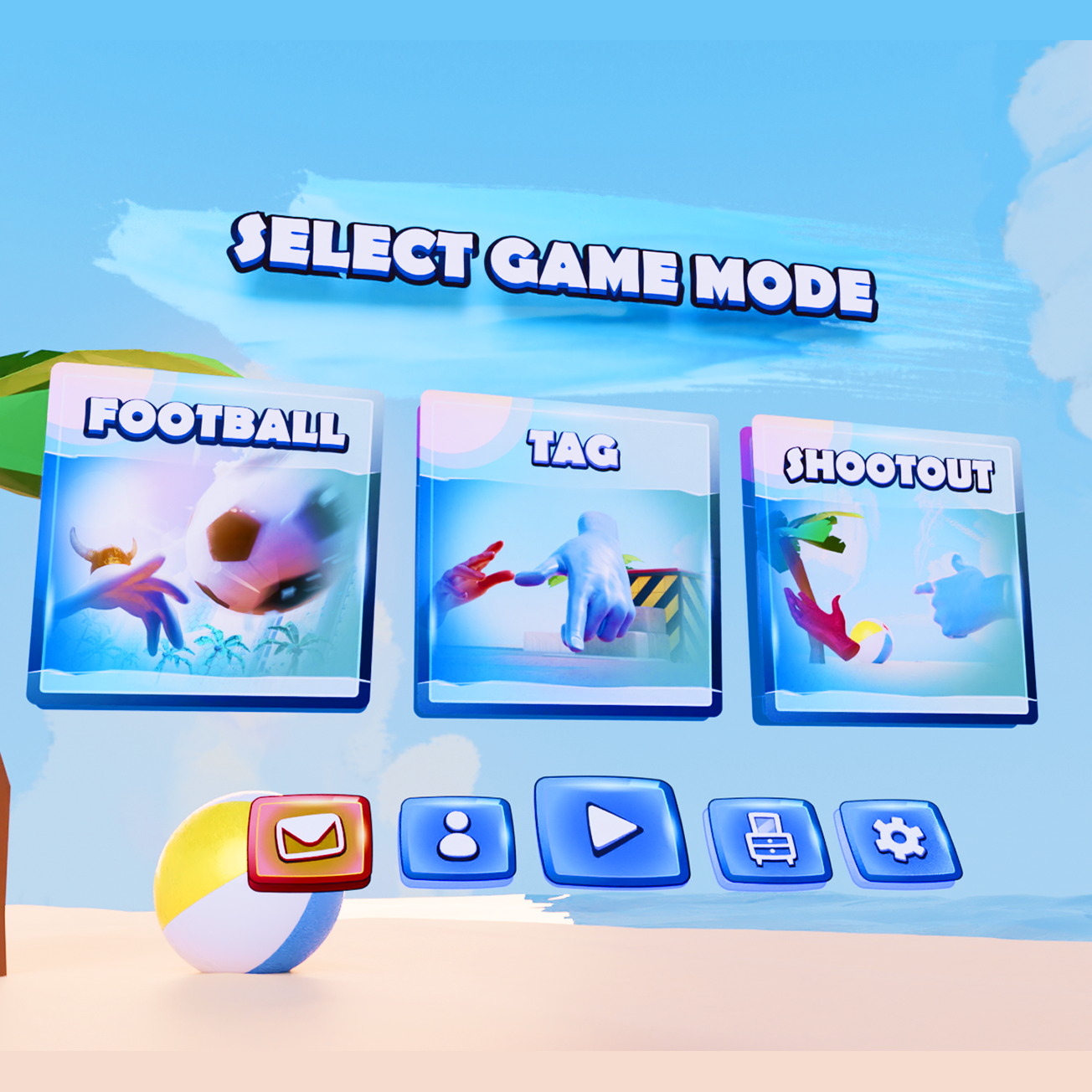
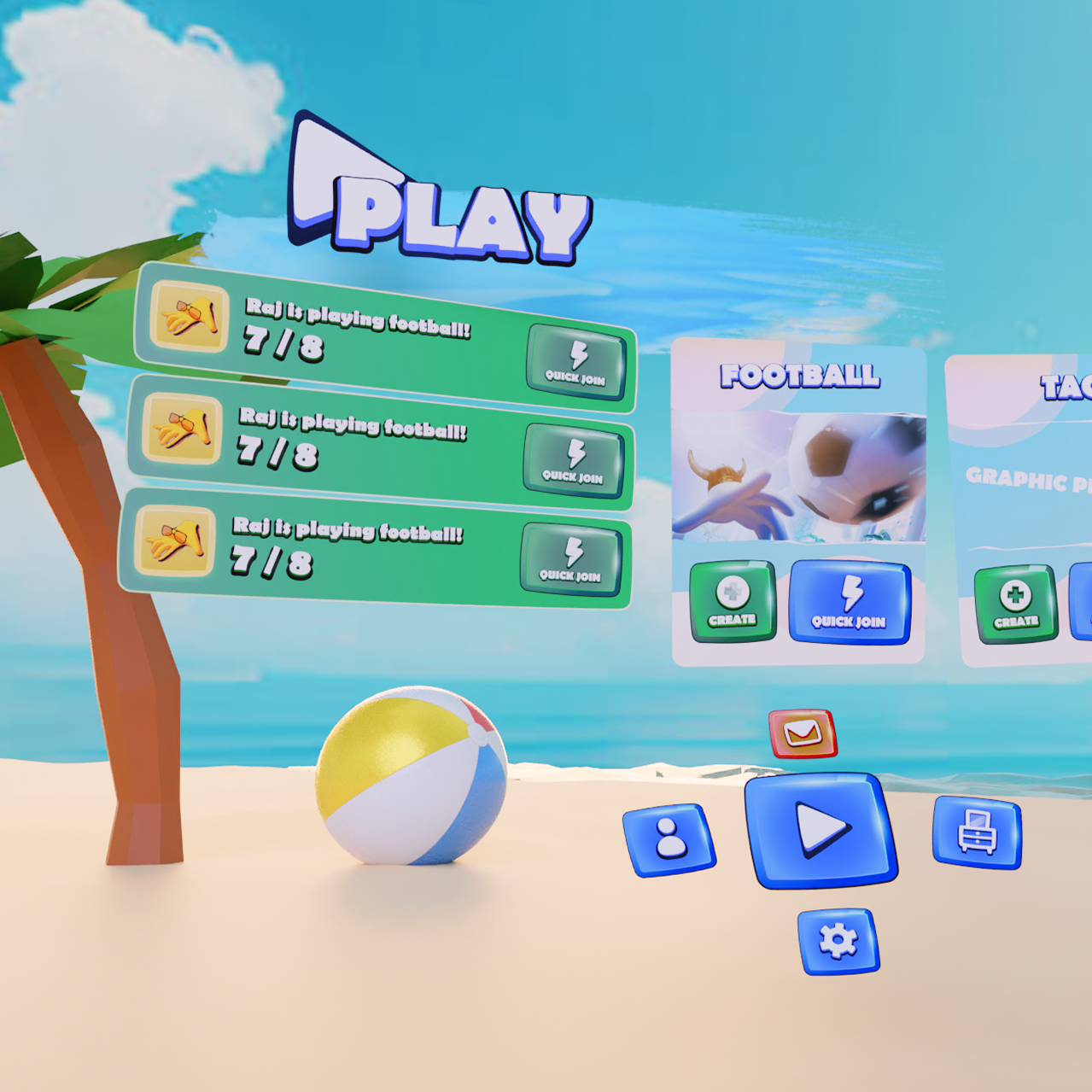
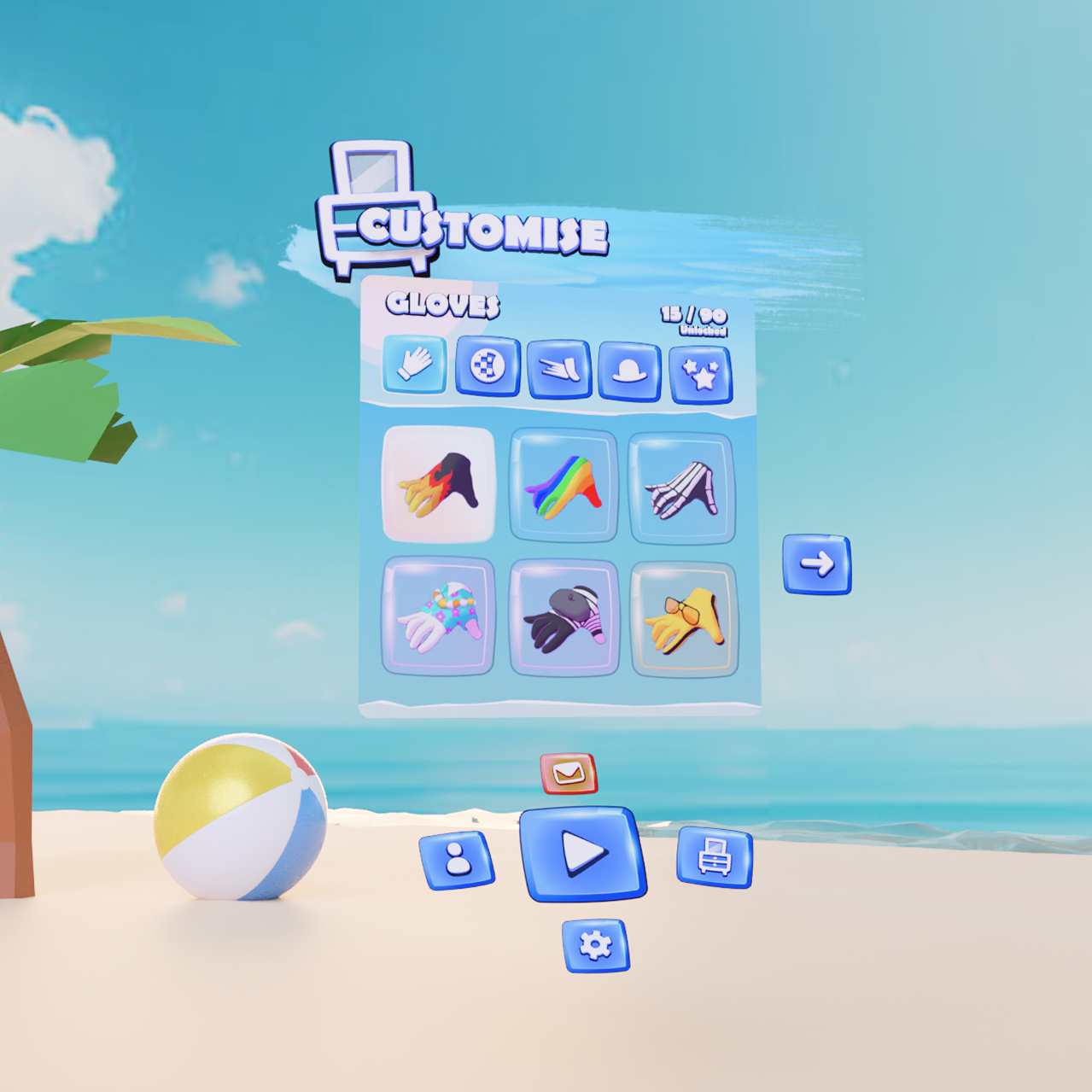
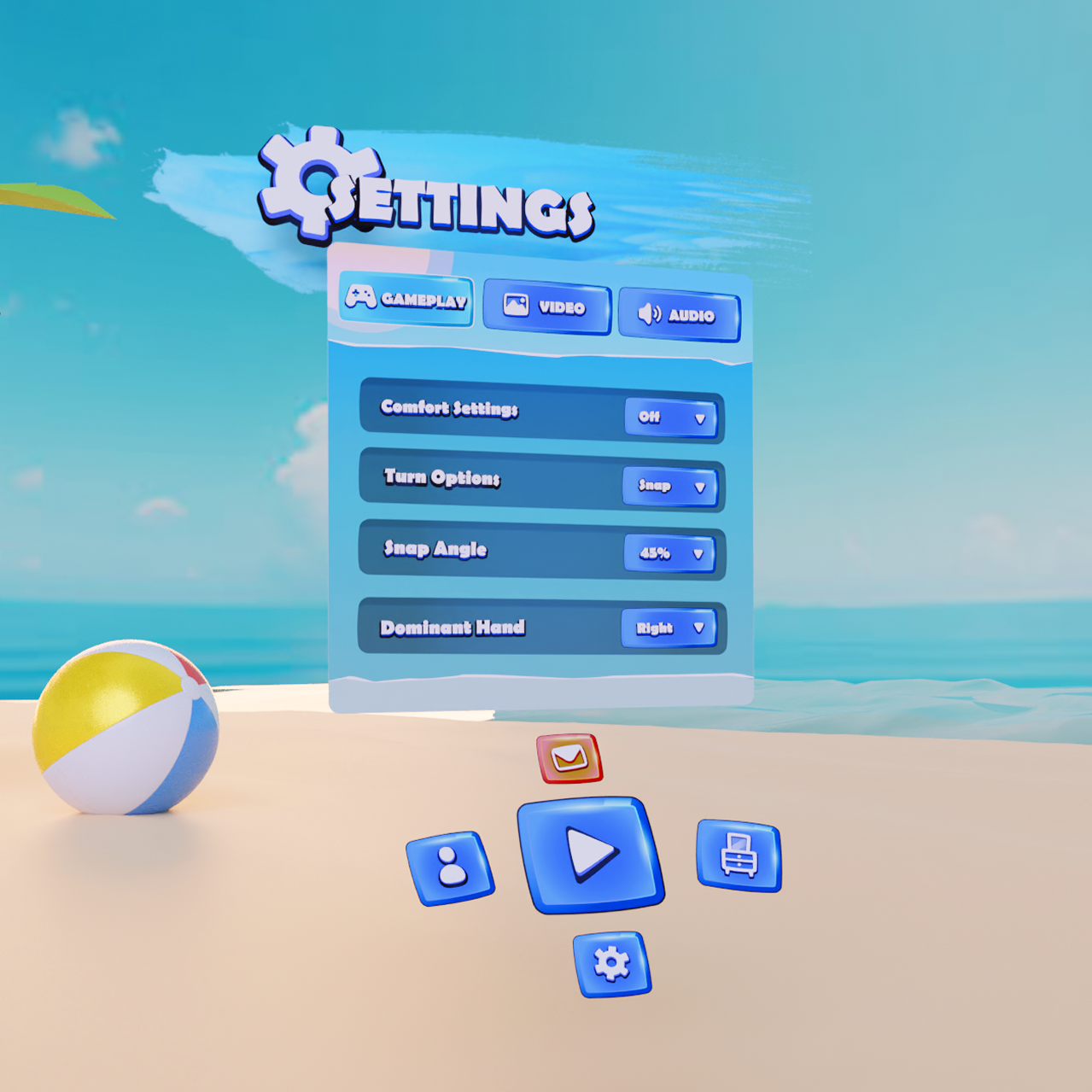
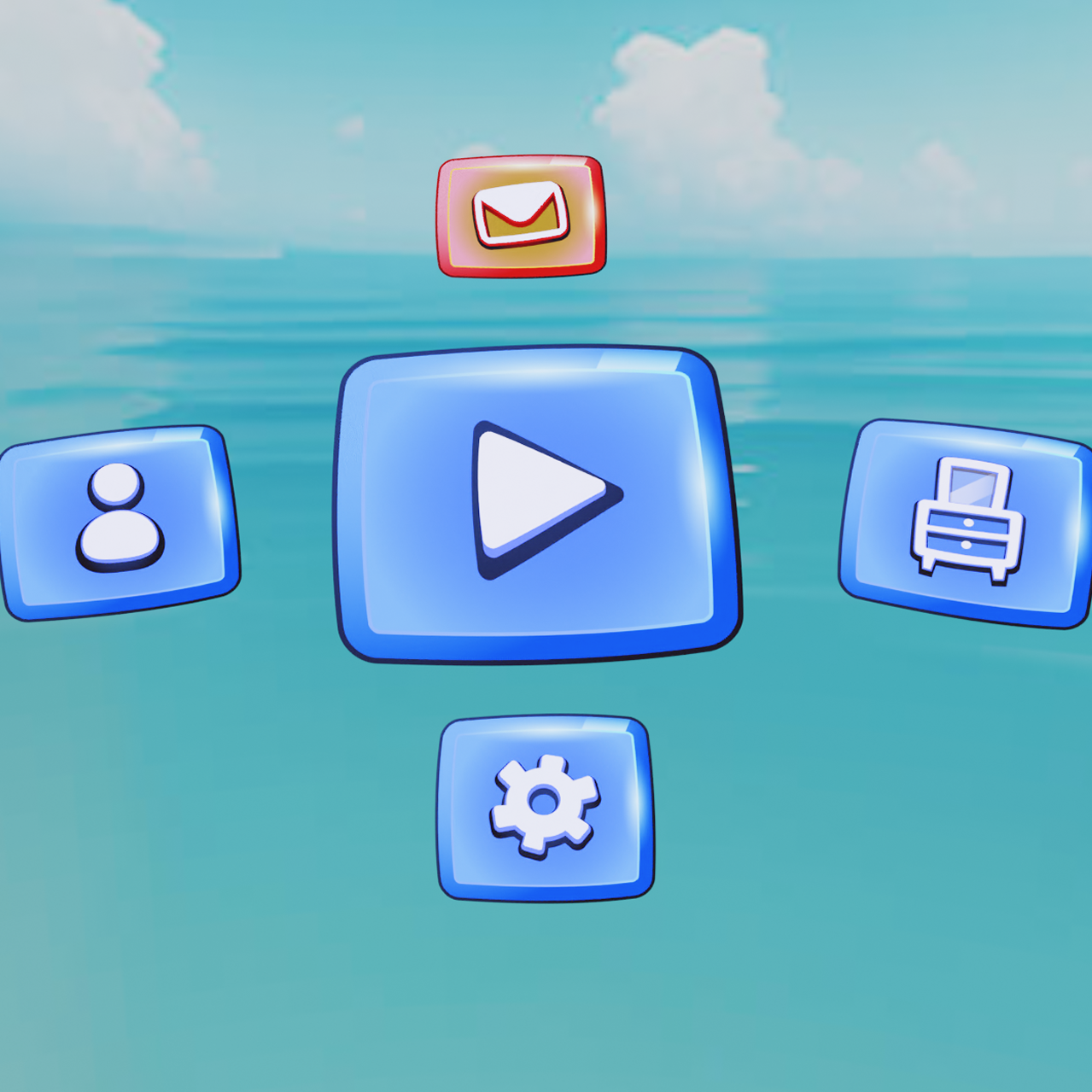
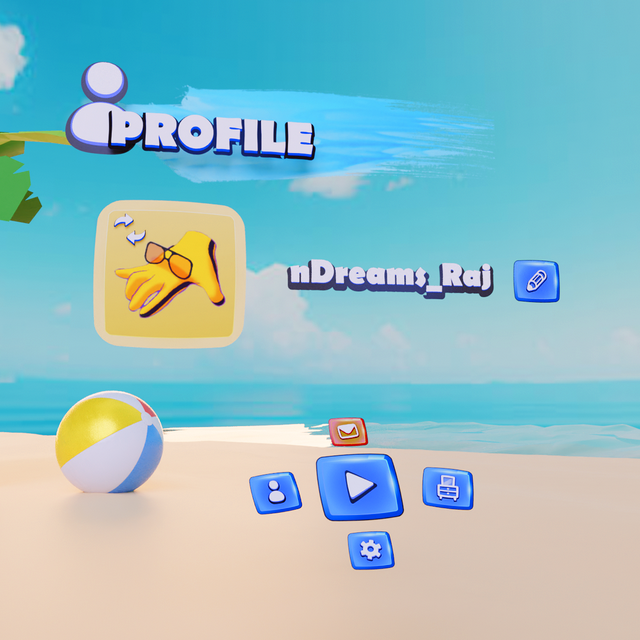
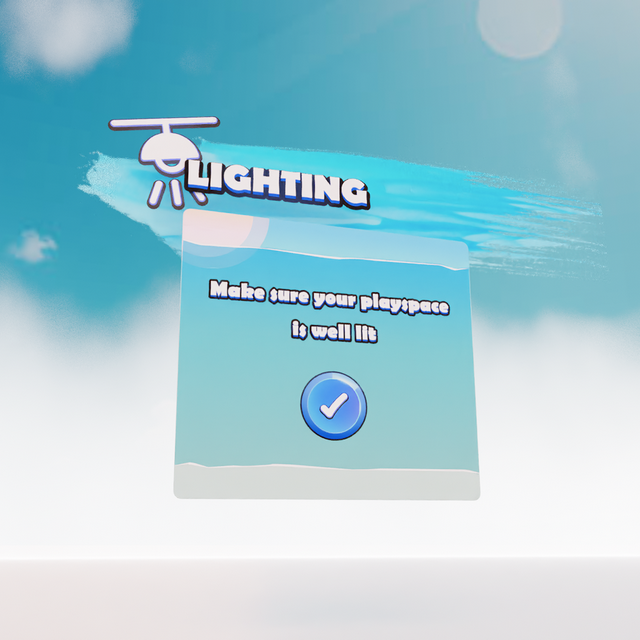
Parallel to refining visual clarity, I developed rapid prototypes to ensure all stakeholders aligned on navigation from day one. This proactive approach socialised the UX early, eliminating friction and securing buy-in before moving into high-fidelity production.
Figma Prototype
Press F to fullscreen (Desktop only)
Decisions, decisions!
We assessed that 2D renditions were far more cost-effective, offering massive customisation potential without the heavy overhead of 3D asset creation.
Testing within Unreal Engine confirmed that 2D planes outperformed 3D for both interaction reliability and integration speed.
While 3D remains a compelling post-MVP option, the 2D approach allowed us to deliver a high-quality, scalable UI on an accelerated timeline.
This strategic pivot ensured the dev team stayed agile while maintaining a premium look and feel.
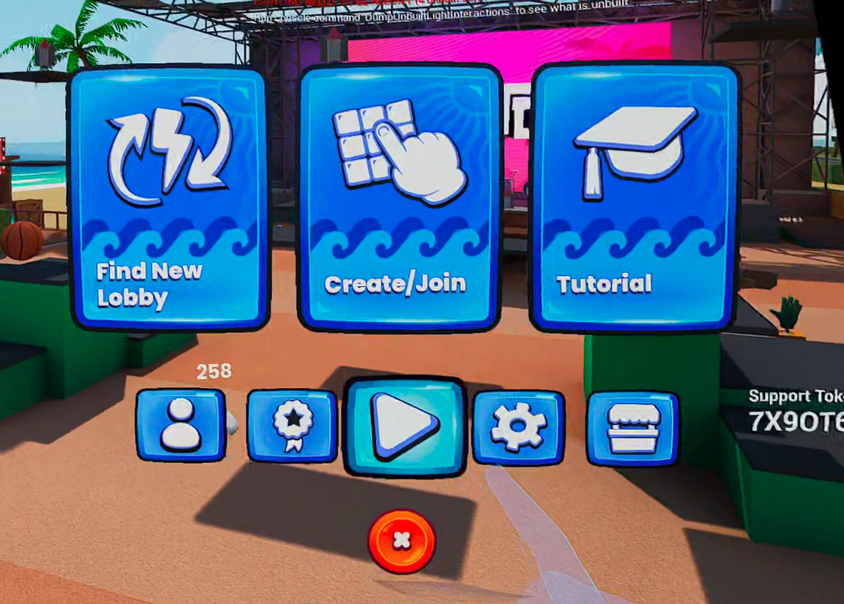
With 2D locked in, I developed a comprehensive style guide to align all disciplines and eliminate stakeholder friction. This wasn't just aesthetic; it was a deep dive into the "why," backed by research to justify every interaction. By codifying these standards early, I provided a clear roadmap that streamlined production and ensured UI consistency across the entire project.
Interactive Style Guide
Press F to fullscreen (Desktop only)
Technical Art and UX Implementation
I transcended the role of vision holder by diving into Unreal Engine to architect blueprints, technical materials, and functional widgets.
Bridging the gap between design and engineering, I acted as a force multiplier to ensure high-fidelity concepts translated into a high-performance, shippable build.
By leveraging UI materials over standard 9-slice methodologies, I unlocked superior customisation and complex interaction logic.
This technical edge allowed me to proactively optimise the UI for low CPU overhead by offloading to the GPU, creating the vital performance headroom for the 3D team to maximise visual fidelity.
Haptic Precision and Ergonomic Validation
This footage demonstrates the final, high-fidelity interaction flow, refined through rigorous testing to ensure every input felt natural and friction-less.
By validating the tiered menu system against ergonomic standards, I eliminated physical fatigue and discomfort, ensuring a seamless user experience.
This was not just about aesthetics: it was about perfecting the tactile relationship to ensure the interactions felt natural over long sessions.
MVP Validation and Market Readiness
With the core game loop defined, launching with a high-octane "Tag" mode designed for Live Ops scalability, we moved into rigorous playtesting targeted at the TAYA demographic.
The architecture was built for rapid expansion, allowing additional modes like Gunfinger and Football to be integrated seamlessly into the roadmap.
The playtests yielded a unanimous consensus: the product is incredibly fun, hitting every high-engagement hook and delivering the "influencer-gold" hilarity essential for viral success.
Following final optimisations at nDreams, the title is slated for an imminent launch on the Meta Quest Store. Check out the work-in-progress trailer to see the vision taking shape.
Don't let the colourful graphics and high-energy gameplay fool you. To engineer a world-first VR experience requires more than just aesthetic vision; it demands a deep mastery of high-level compliance, technical architecture, and stakeholder management. I navigated the friction between aggressive production timelines and the necessity for extreme technical capability, ensuring every interaction met rigorous ergonomic and performance standards. By bridging the gap between product expertise and hands-on engineering, I secured the vital stakeholder buy-in required to move from a complex concept to a market-ready, shippable ecosystem. This project stands as a testament to the ability to lead a multidisciplinary team through the unknown, delivering a refined UX that balances groundbreaking innovation with commercial viability.